Going out for coffee without organising the whole morning. Welcoming a friend without moving the furniture. Coming back with shopping and setting the bags down near the kitchen. When imagining retirement in Mauritius, small routines can say more about the desired home than its floor area.
A stay before buying gives those routines time in another setting. It need not be an exercise in proving that everything can be done alone. Some people prefer driving; others want public transport or company on a journey. The arrangement should suit the person, without relying on somebody else's permanent availability.
From the sitting room to the street
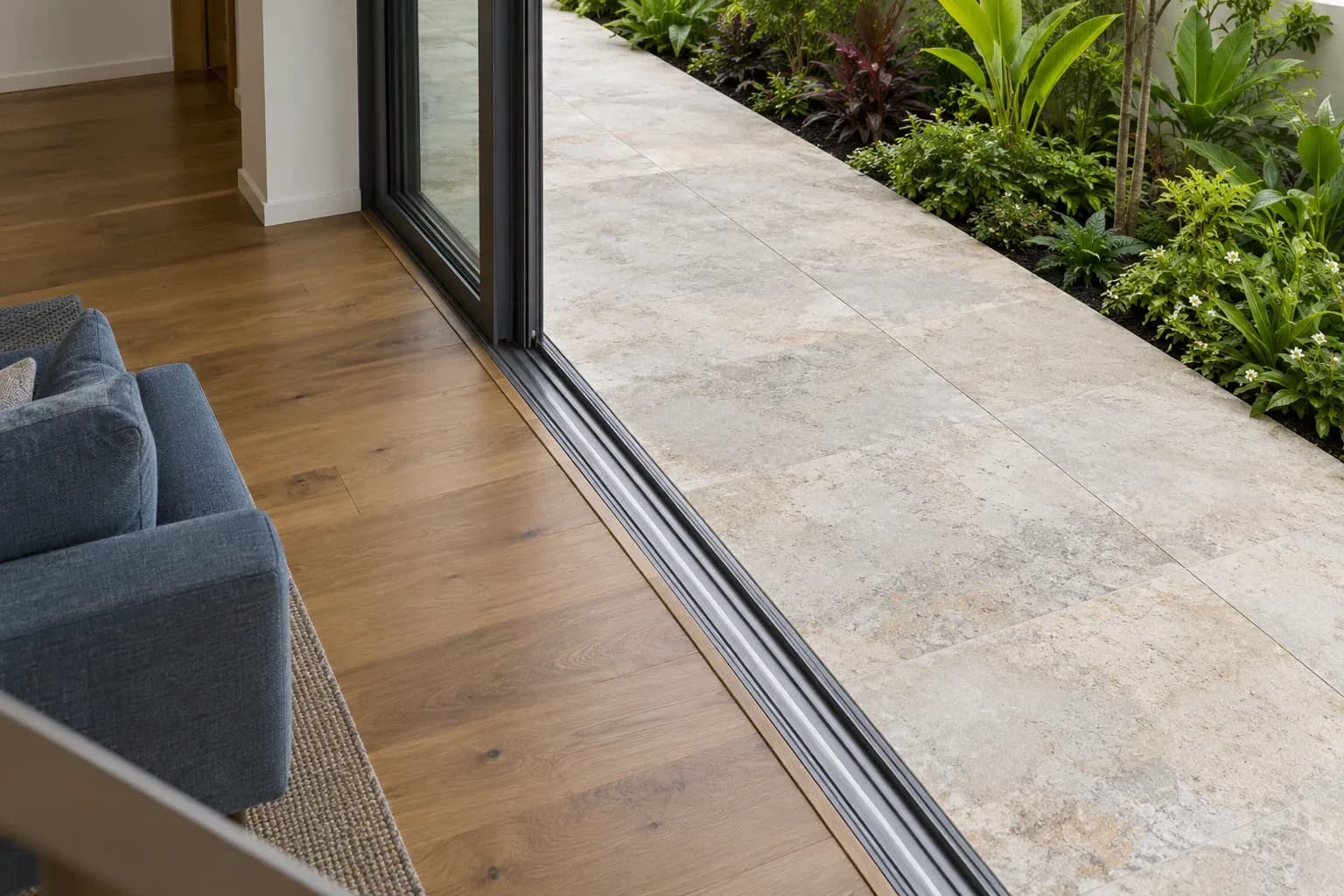
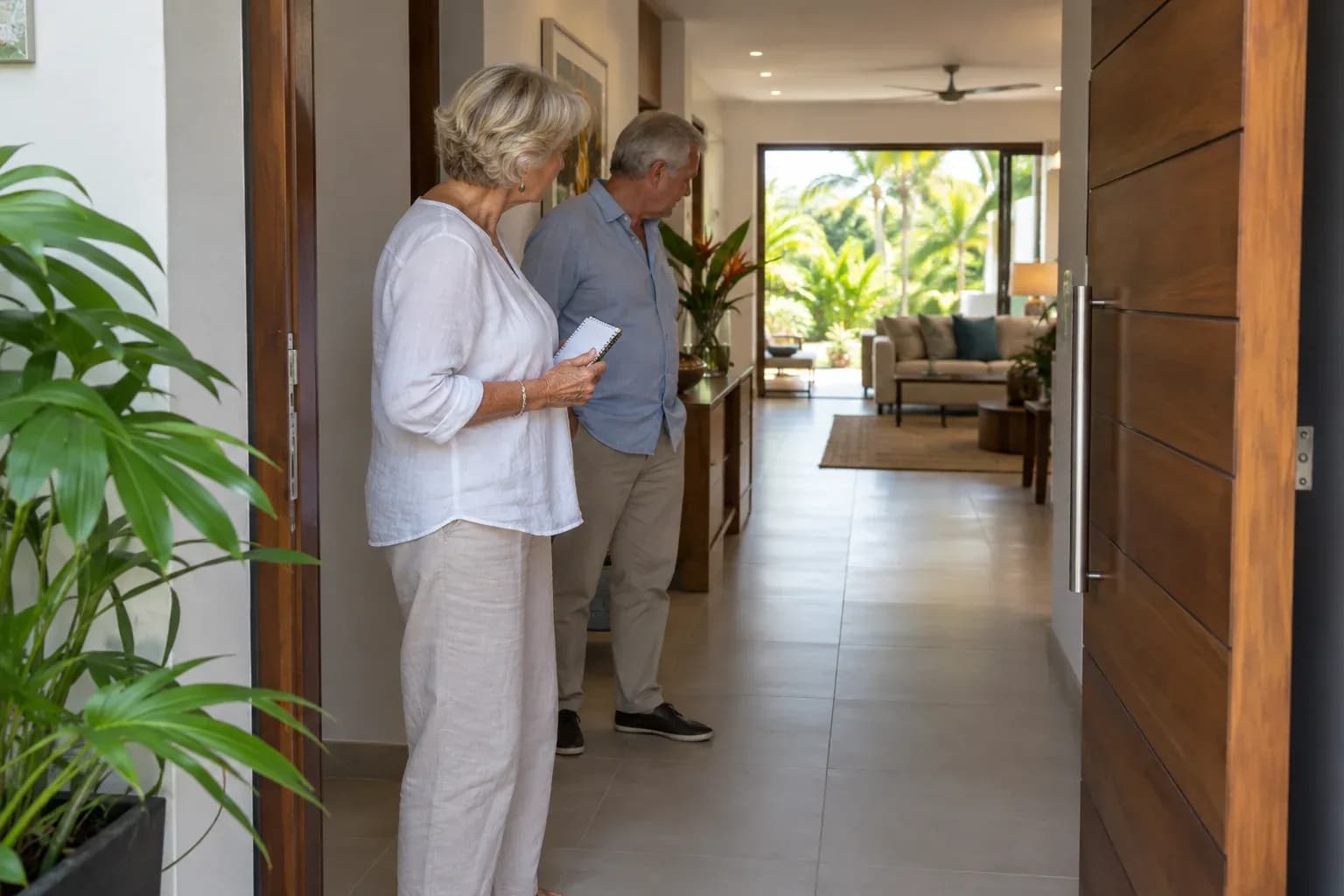
An interior on one level is naturally appealing. The journey nevertheless continues beyond the front door, through a corridor, past a lift and out to the waiting vehicle. Steps can appear where the photograph seemed to show an easy route.
During an authorised viewing, following that route at a comfortable pace can reveal a heavy door, a threshold or a missing place to put a bag. There is no benefit in struggling through stairs to complete a test. If an adaptation seems necessary, a professional can assess whether it is feasible.
In an apartment building, lift maintenance and the arrangements for an interruption become relevant conversations. An easy room can become less useful if reaching it depends on equipment with no workable alternative.
The same applies to everyday controls and storage. It is easier to notice an awkward switch or cupboard while using the room than while standing at its entrance admiring the layout.
An outing without the car
Freedom to get around can take several forms. For one person it means walking to a shop. For another it means booking an accompanied journey without asking a relative at the last moment.
Metro Express lists ramp access and priority seating among its facilities. Where the network suits the proposed address, the whole journey still matters: reaching the station, entering it and completing the walk at the other end. A vehicle's features cannot establish whether every stage works for an individual.
The return deserves as much attention as the outward trip. An ordinary outing, at a comfortable pace, gives a sense of the waiting and effort involved. Another option can then be discussed with the person or provider concerned.
The things worth keeping close
Regular healthcare, an activity or friends may influence an address. The Health Ministry distinguishes emergency services from specialised appointments. A nearby building does not alone establish whether the particular service is available or how someone will access it.
Those questions belong with clinicians, the institution and the insurer. Personal health information need not accompany a general property enquiry. A trial stay is not a reason to change treatment to see whether an arrangement works.
The choice often becomes clearer on a day without a programme: how to go out, whom to ask for help and where to settle on returning. One attractive home may need too many arrangements. Another, less striking on the tour, may leave more room for the routines that matter.