On the first evening, someone searches for the light switches, puts a few things in the kitchen and turns on a tap. In a previously occupied home, those ordinary gestures make moving in feel real. The bills may still be telling the story of the person who lived there before.
The changeover is less visible than the boxes, but it belongs to the move. A working supply does not establish who receives notices, which meter serves the home or how the incoming occupier takes over. Those details are easier to understand while both sides are still available to talk.
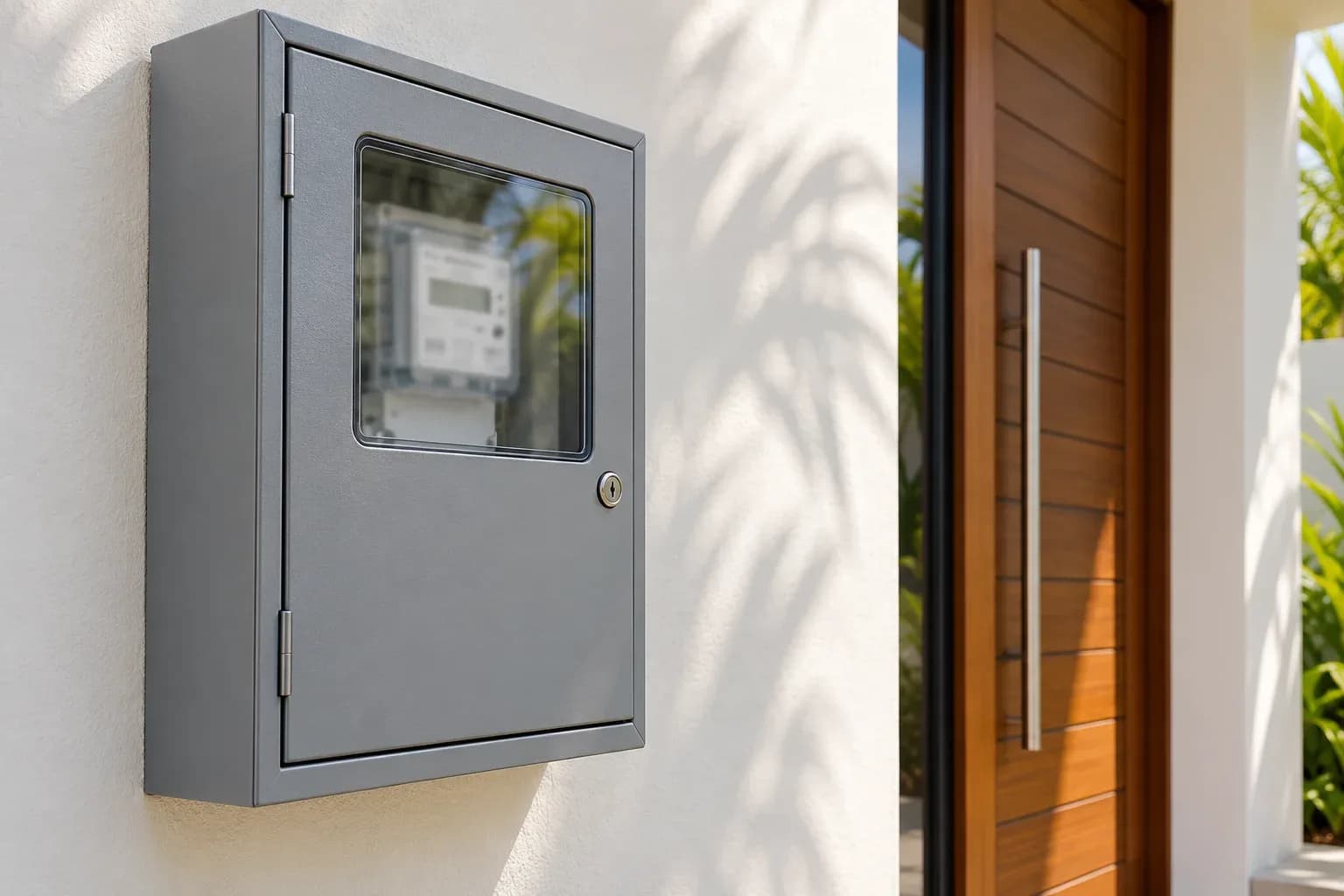
The meter behind the front door
In a detached house, the connection between a bill and a meter may seem obvious. In a residential complex, several pieces of equipment can make it less clear. An individual supplier bill and a charge passed on by a manager represent different arrangements.
A recent bill, appropriately shared with permission, can help match the address and meter reference. Where several homes share an address or entrance, the manager or supplier can explain which supply serves the property. The nearest meter is not enough evidence on its own.
At the changeover, a photograph of the visible reading can provide a useful private reference if taken safely and with permission. Preparing that record never requires opening sealed equipment. A photograph also does not settle responsibility for an older amount being claimed. Questions about the account and the period still need answers from the appropriate parties.
Water and electricity have separate files
For electricity, the outgoing and incoming occupants need to discuss the changeover with CEB. Who closes the old file, who makes the new application and from which date? Confirm those arrangements with the supplier. Handing over the keys does not settle them on its own.
CWA separately publishes a Transfer of Name procedure. It distinguishes that from a new supply and reopening an existing one. Having a meter at the home does not by itself identify the correct application; customer services can confirm which situation applies.
An owner, tenant and authorised representative may not bring the same documents. Identity information, title or tenancy evidence and relevant authorisations depend on the circumstances. Each supplier needs to confirm its current requirements and effective arrangements. A neighbour's experience is no guarantee of the same timing or an uninterrupted changeover at another address.
The first bill is part of settling in
When the boxes begin to disappear, the first bill deserves a glance beyond the amount. The name, address, meter and billing period show whether the file matches the arrangements that were confirmed. An identification mistake can otherwise continue quietly while daily life moves on.
The person responsible for payment also needs to receive the notices. An account still connected to old contact details complicates communication even when the supply works perfectly. Confirmations and application references are useful additions to the home documents, rather than messages left scattered across a phone.
Moving does not have to become an endless administrative exercise. A few consistent details and separate confirmations for water and electricity give the conversation a clear basis. The lights switched on that first evening can then belong to a home whose occupants understand the bills as well as the rooms.