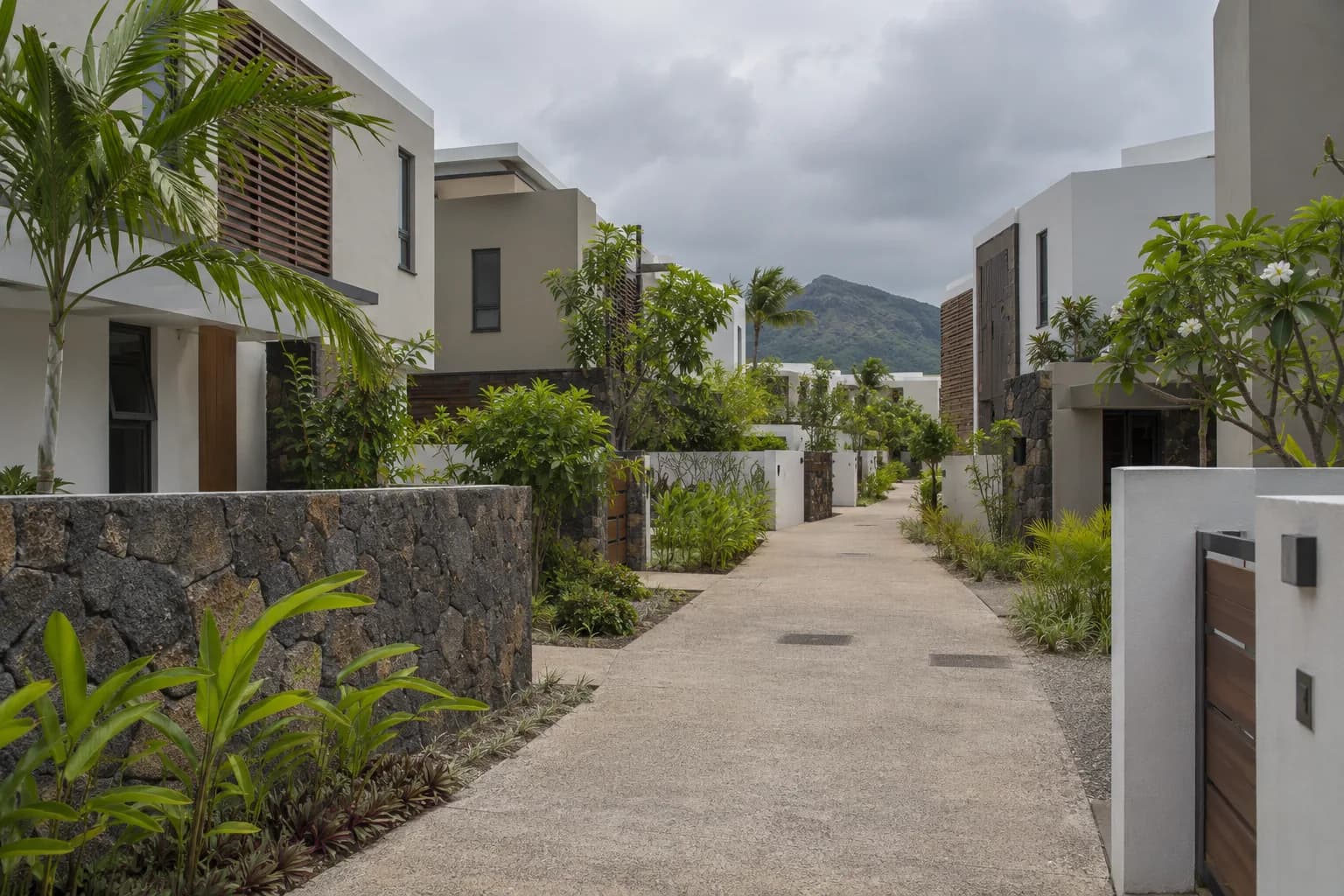
The apartment works. There is good light, an inviting balcony and a well-kept lobby. Then another question arises: who looks after everything between the apartment door and the street?
Buying an apartment in Mauritius involves choosing rooms and joining a shared organisation. The garden, lift and access system become part of everyday life, even when they stop attracting attention. Their operation cannot be understood entirely during a viewing.
What the lobby cannot show
An immaculate entrance is appealing. Management records reveal something else: what has been decided, what remains unfinished and how a problem receives a response.
Minutes, accounts and plans feature in the management archives addressed by the 2018 amendment to the Code Civil Mauricien concerning copropriété. That dated enactment is not by itself a consolidated account of all current rules. The notary must establish those relevant to the building and which documents can be supplied in the sale.
The file can then become understandable. Does a repair discussed at a meeting reappear in later communications? Has it been ordered, completed or left under discussion? The sequence often says more than a general assurance of good management.
It is reasonable to ask about a missing record while allowing for other residents' personal information. Understanding a process does not require access to every neighbour's private financial details.
One fault, several people
A stopped lift is a possible example, not an account of an incident at a named development. It allows straightforward questions: who receives the call, who contacts the contractor and how are residents told what is happening?
The aim is not to find a building that has never experienced a problem. It is to understand how issues are followed through. An isolated fault and a long-running problem without an answer describe different experiences.
Maintenance records can help. MFRS's fire-certificate application guide includes commissioning and maintenance certificates among optional supporting-document categories. That provides an example to discuss with management, rather than establishing identical requirements for every apartment.
Technical condition and responsibility remain separate conversations. A professional examines equipment. The documents and legal advice establish who is expected to act.
Life behind the front door
A parking space, terrace or garden reserved for an apartment's use may appear straightforward at the viewing. Its conditions and associated maintenance nevertheless deserve checking against the documents. An advertisement's word private does not explain every responsibility.
Rules for visitors, deliveries, pets or letting also affect everyday use. For an owner often abroad, knowing how messages arrive and who answers a question can be especially important.
A change of manager raises another practical issue: who will retain the history of an unfinished repair? That conversation belongs alongside the pleasant tour of the shared spaces.
Before deciding, there is therefore a contact to identify and a few files to understand. The apartment loses none of its appeal through that conversation. It simply takes its place in the building where the buyer is considering living.