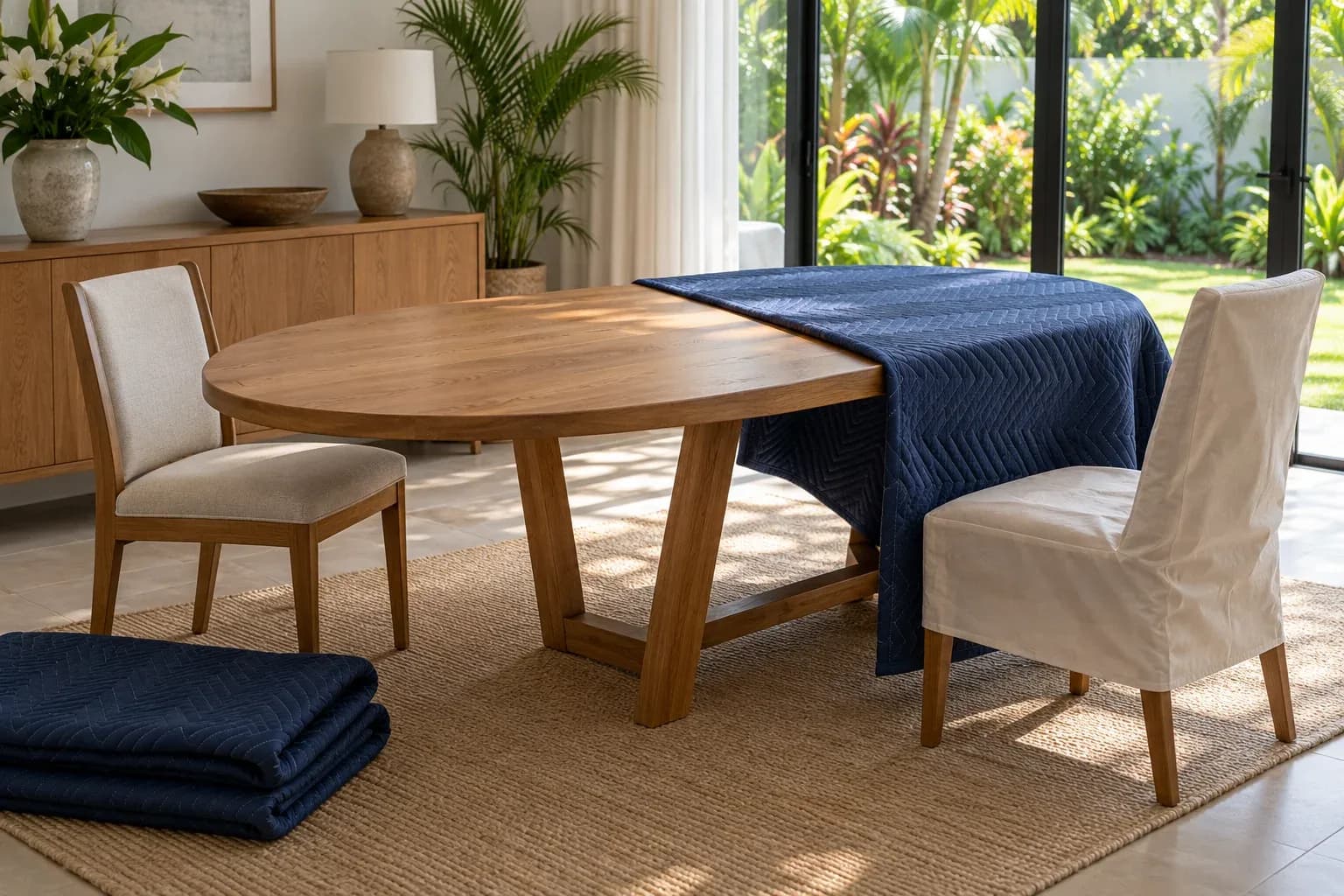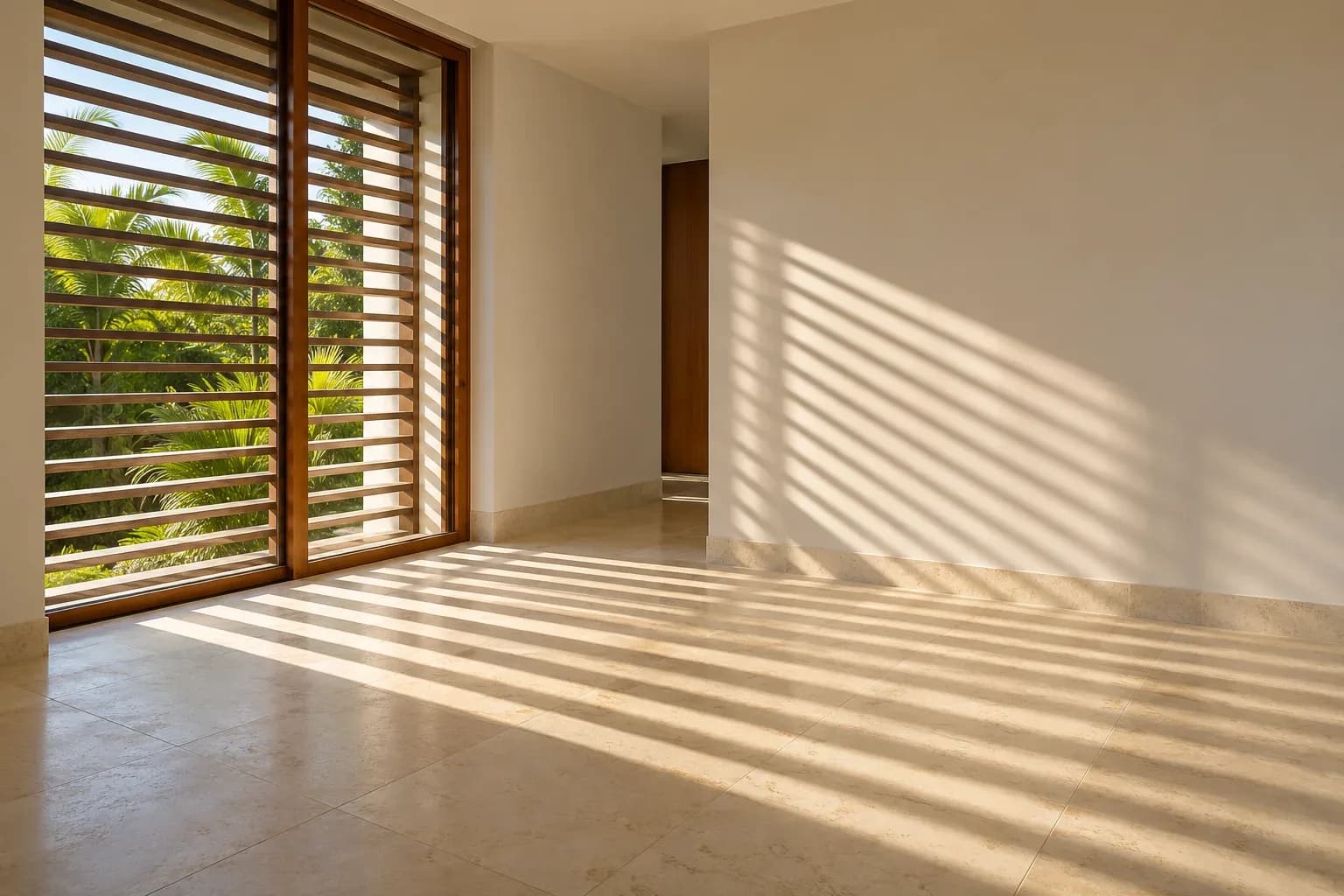
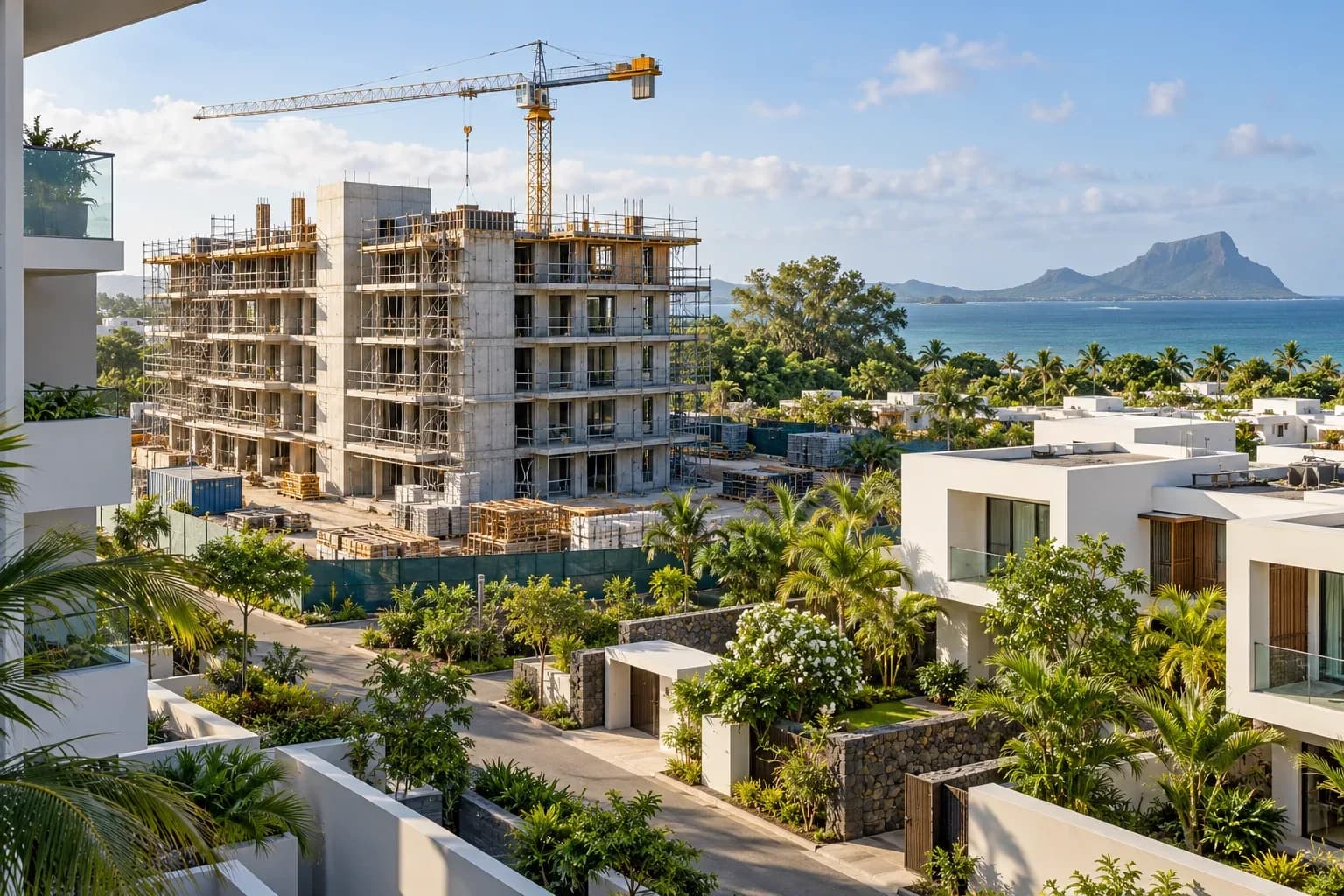
A crane rises above the trees, a facade takes shape and a sign announces another residential development. The neighbourhood appears to be changing in plain sight. For someone looking for a home in Mauritius, those signs can suggest plenty of choice. Yet construction activity and available homes move to different calendars.
An apartment on a drawing, a completed house and a property whose owner will arrange a viewing are different possibilities. Much of the confusion about housing supply begins when the developments being announced are treated as the homes whose keys are actually available.
One development, several calendars
A large development may be built in phases. The illustration often shows the whole setting, while only certain buildings belong to the current phase. Reserved homes, units still being marketed and apartments in a later phase occupy very different positions within that picture.
For a personal search, the question is straightforward: which home could be occupied when it is needed? The development name alone cannot answer it. A specific unit, its current stage and recently confirmed availability are more useful than an announced total for the entire estate.
The same care applies to a building that looks nearly finished. A completed facade can coexist with work in shared areas. That general observation predicts no particular delay. It simply recognises that the outside of a building does not tell the whole story of a handover.
An empty house is not always on the market
Closed windows do not reveal whether a house is awaiting a buyer, used as a second home or undergoing repairs. The 2022 housing census distinguishes several such situations. Its categories describe a historical period, rather than the homes available to purchase today.
The housing stock and the visible market therefore belong to different conversations. The former includes occupied homes that may never be offered during a particular search. The latter changes with owners' decisions and the progress of developments. Neither should quietly take the place of the other.
Property portals add another change of perspective. Several agencies can advertise the same apartment. Three advertisements do not create three homes. Equally, a listing removed from a portal has not necessarily resulted in a sale. A useful set of options recognises duplicates and records when each property's availability was actually confirmed.
Construction stretches beyond housing
Statistics Mauritius's national accounts cover a construction industry wider than homes alone. Roads, non-residential buildings and repairs also belong within it. Growth in that activity cannot simply be translated into additional apartments a buyer can visit.
At neighbourhood level, the differences are easier to picture. An office building answers a different need from family housing. A small apartment does not necessarily replace a house with a garden. Being close together on a map does not make every new building an alternative for the same household.
The changing skyline gives people a reason to look. Choosing a home brings the search back to individual properties, their intended use and their actual calendars. The supply that matters to a household is the accommodation that could genuinely become another place to live, rather than everything that might one day appear in an architect's illustration.