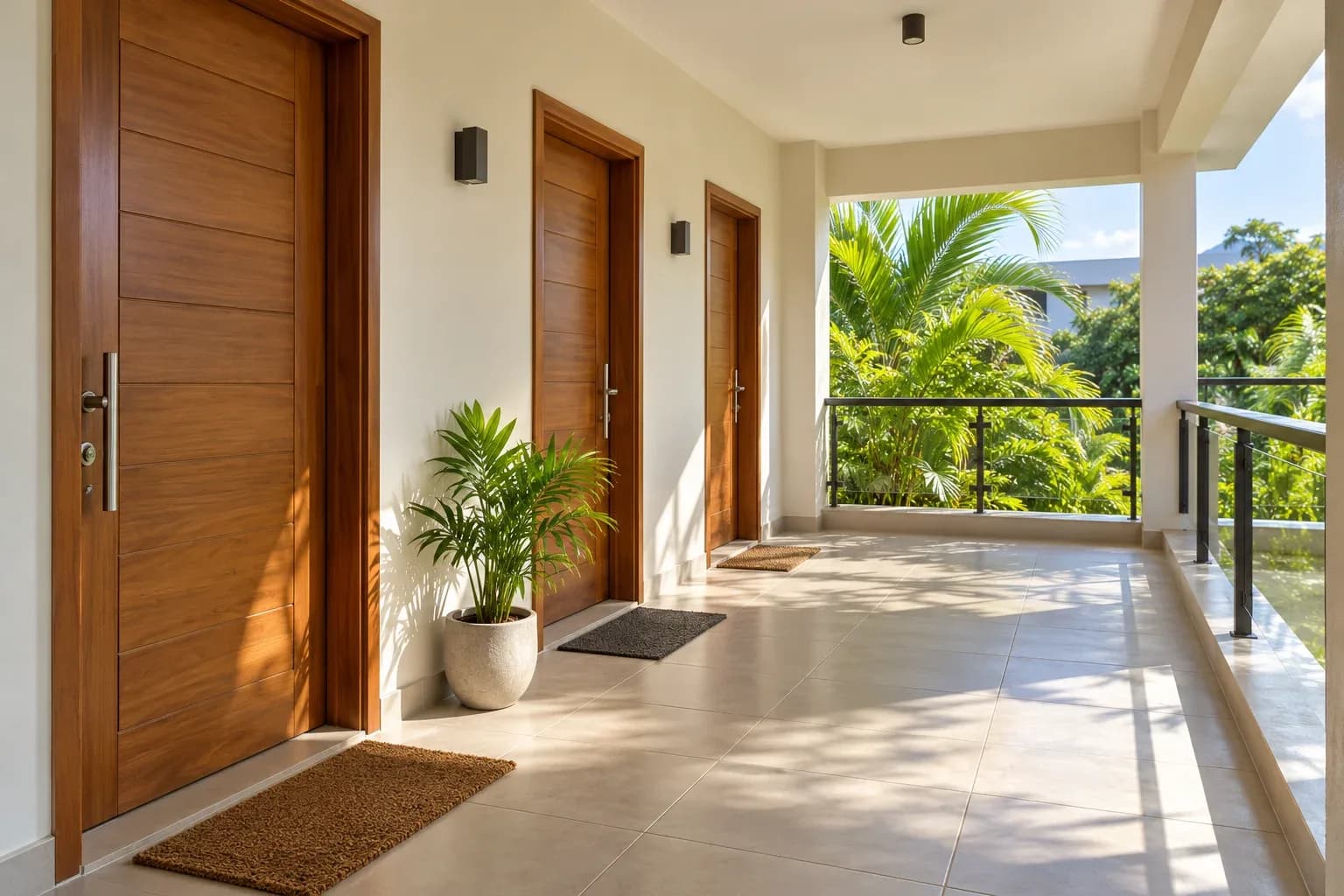
Two people view a two-bedroom apartment. One pictures a room for children visiting at weekends. The other wants a study, finally freeing the dining table from work. The number of occupants is the same. The home they are looking for is not quite identical.
Counting residents does not tell us how many homes they want or how they hope to live in them. Two households of the same size may need very different rooms.
People and households are different counts
A household is not simply another word for a family. Statistics Mauritius's census definition includes a person living alone, as well as people who live together and share provision for essential needs, whether or not they are related.
Housing units and households do not always match one for one either. More than one household can occupy a housing unit. The distinction matters when a market argument moves from counting people to discussing homes.
Statistics Mauritius recorded more private households in 2022 than in 2011, with fewer people per household on average. Those first results were provisional. They had not been adjusted for any net undercount of households and people.
The figures describe 2011–2022. They do not count people looking for an apartment today or predict sales in a development.
The date and geography of a table belong with its figures. A result for the Republic should not quietly become evidence about a particular street or a new scheme of apartments.
The bedroom with another job
An average describes a group. It does not fit neatly into a room. Two occupants may want separate sleeping space, simultaneous work areas or somewhere for a relative to stay. These are possible routines, rather than preferences to assign automatically to a demographic category.
For a buyer, that means looking at the plan differently. Can the spare room be used every day without blocking a route? Is there enough storage to have a guest without clearing the study? Can the kitchen remain a place to eat when other activities occupy the sitting room?
Those questions give some substance to the word flexible. They also challenge the assumption that a smaller household must want the smallest available property. The space required depends on what happens inside it.
For a rental project, conversations about expected use therefore offer something different from a national average. A handful of discussions may uncover design questions. They do not establish the preferences of every prospective tenant in the neighbourhood.
Wanting to move and being ready
Wanting a place of one's own does not mean moving immediately. The location, price and timing still need to work. A change in family arrangements may start a search, extend a shared living arrangement or lead someone to wait.
This is where the property argument needs local information. Where do the potential occupants want to live? Can they rent or buy the proposed home? A demographic table cannot make those decisions for them.
The records remain useful because they discourage the idea of a single standard household. At a viewing, that can mean paying closer attention to doors, storage and rooms able to accommodate different activities. The eventual choice belongs to particular people and their lives, rather than to the average on a page.