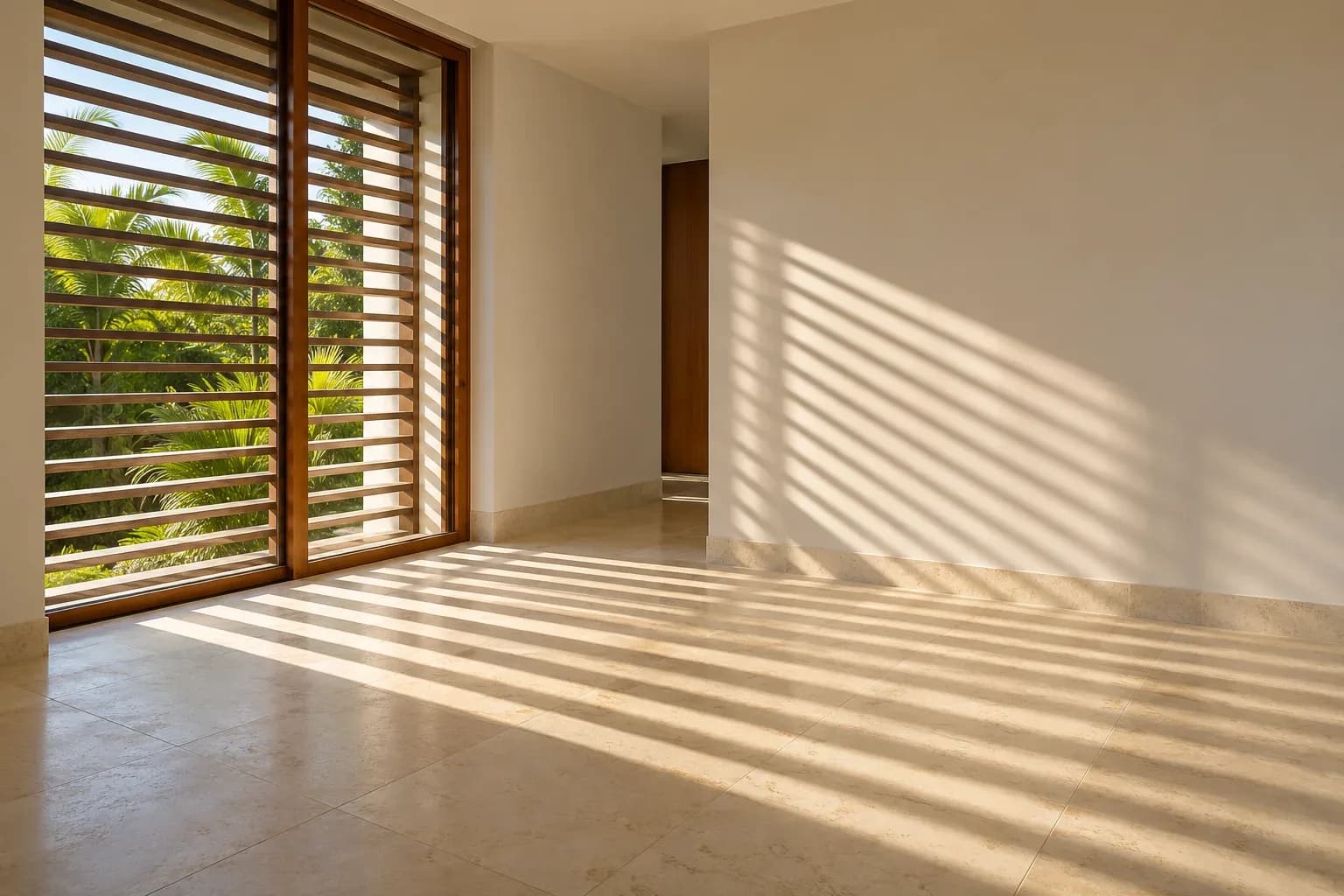

A kitchen for breakfast, separate bedrooms for the children, a terrace for dinner without a restaurant booking: a holiday home answers different wishes from a hotel room. For an owner in Mauritius, that is a useful place to start. Before imagining a full booking calendar, it helps to know who would enjoy staying in the property.
The address cannot answer that question alone. Two apartments near the same beach may offer very different holidays. One makes shopping on foot easy; another assumes that guests have a car. An attractive pool photograph does not necessarily show how a family will manage groceries or a late arrival.
The holiday behind the booking
A couple who eat out often and a family who cook at home use a property differently. The size of the fridge, the arrangement of beds and somewhere to leave an open suitcase suddenly matter. The comfort described in a listing has to exist in the rooms themselves.
Longer stays can reveal needs that barely appear in photographs: washing clothes, working for a morning, putting away food. These are useful possibilities to explore for the particular home, without assuming every visitor wants identical facilities. A pleasant apartment does not need to claim that it suits everybody.
The Tourism Authority's February 2022 guidelines distinguish self-catering tourist residences from hotels and guesthouses. That distinction describes an accommodation model. The dated guidance does not by itself confirm the current permissions to operate a particular property, which need checking for the proposed arrangement.
Island arrivals are not all rental customers
National tourism statistics help describe visits to Mauritius. They cannot tell an owner how many travellers will book a particular villa. Statistics Mauritius separates hotels and other accommodation in its publications. The latter also includes stays with friends or relatives, so it cannot all be treated as paid holiday rental demand.
Hotel occupancy is another measure that needs its own context. Applying it to a privately offered apartment loses differences in guests, distribution and service. National figures provide background; the trading history of an individual home needs evidence from that home's bookings.
A popular destination can still contain properties that suit quite different audiences. A guest looking for meals and daily hotel services is not automatically a likely customer for a self-catering house. Understanding the stay comes before making a forecast about the nights it might sell.
The stories inside a calendar
A blocked calendar may mean a booking, an owner's holiday or maintenance work. Without that explanation, unavailable dates do not measure demand. A history becomes more useful when paid nights, cancellations and periods deliberately withheld from letting are shown separately.
The advertised nightly price deserves similar attention. A discounted booking with management charges leaves a different amount for the owner from the rate displayed on a platform. Cleaning, linen and upkeep also belong in the practical running of the home. They need a place in the conversation alongside attractive photographs.
None of this takes away the pleasure of welcoming guests. It helps define a more convincing offer: a home described accurately, services someone can reliably provide and a calendar whose history is understood. That is a firmer starting point for discussing rental demand than assuming that visitors to Mauritius will eventually fill every spare night.