Mahébourg market and a former country house offer two quite different ways into the town. One was arranged to bring food shopping, shops and places to eat together. The other houses the National History Museum. Taken together, they give this south-eastern town a story beyond its sea view.
More than a row of stalls
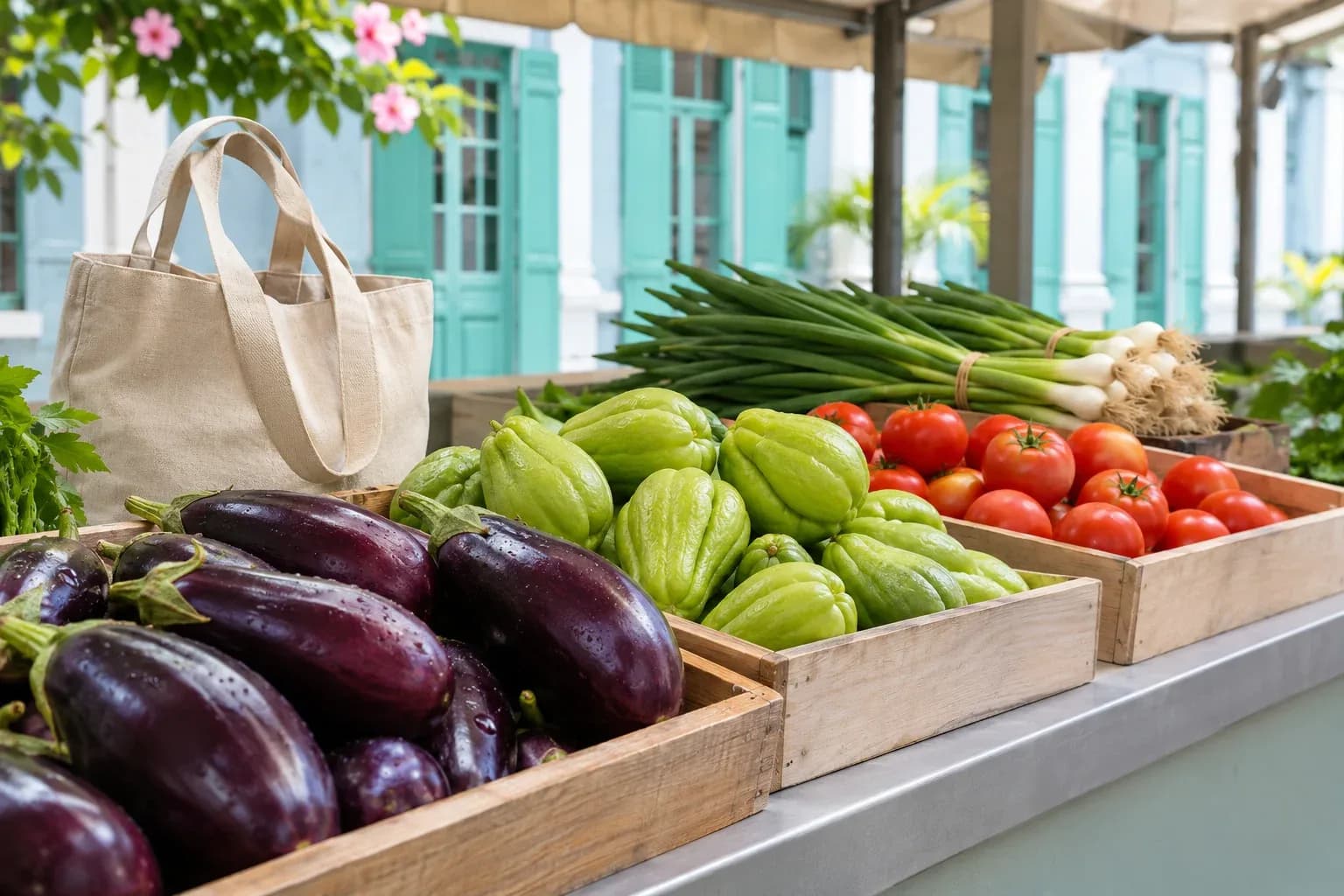
Several uses share the market building. Grand Port District Council’s August 2025 notice lists vacant stalls for vegetables, fish and meat on the ground floor, with shops and a food court upstairs. It also listed trading premises on Hollandais Street.
That arrangement describes a place where food shopping sits alongside other purchases. It does not establish which stalls are occupied today or when individual traders work. The market on paper and the stalls encountered on a particular day are not quite the same picture.
For anyone considering a home nearby, the everyday routes around an address will help determine how the market fits into the week.
A country house becomes a museum
Maison Robillard, also known as Château Gheude, was built around 1772. It houses the National History Museum in grounds beside the River La Chaux. Before it became a home for collections, it was a home in its own right. That domestic beginning offers a useful way to approach its history.
The official history also connects the house with the Battle of Grand Port in 1810: the wounded commanders of the French and British squadrons were treated there side by side. This episode concerns a wing of the house and the people who occupied it. It gives the building a specific part in history long before it became a museum.
The museum’s published descriptions include old maps, furniture and objects recovered from shipwrecks. These bring histories of movement, homes and everyday use into the same collection.
The small houses in the courtyard
The courtyard has an architectural history of its own. In a 2023 account, the Mauritius Museums Council describes seven timber kiosks with sheet-metal roofs, designed in the form of a Creole house. This craft complex was built in 1993 and renovated in 2010. These small buildings should not be mistaken for parts of the eighteenth-century residence.
The same document proposed craft shops, a bookshop and food outlets. Those were the intended uses at the time, not a list of businesses verified as open today. They nevertheless explain the idea behind the courtyard: places to look at objects, but also to choose something to take away or pause for a meal.
The distinction matters when considering the architecture of the site. The main house retains its identity as an old residence; the kiosks use a smaller domestic form for different purposes. One building does not establish the age of another. Knowing the separate dates helps avoid reading the whole site as a single historic setting created at the same time.
One detail matters before planning a visit. The Mauritius Museums Council announced that the museum would close from 15 December 2025 for works expected to take about a year. That estimate is not a confirmed reopening date. As of 3 November 2026, the sources checked do not establish that the galleries or grounds are open to visitors. Ask the museum whether public access has resumed before planning a stop.