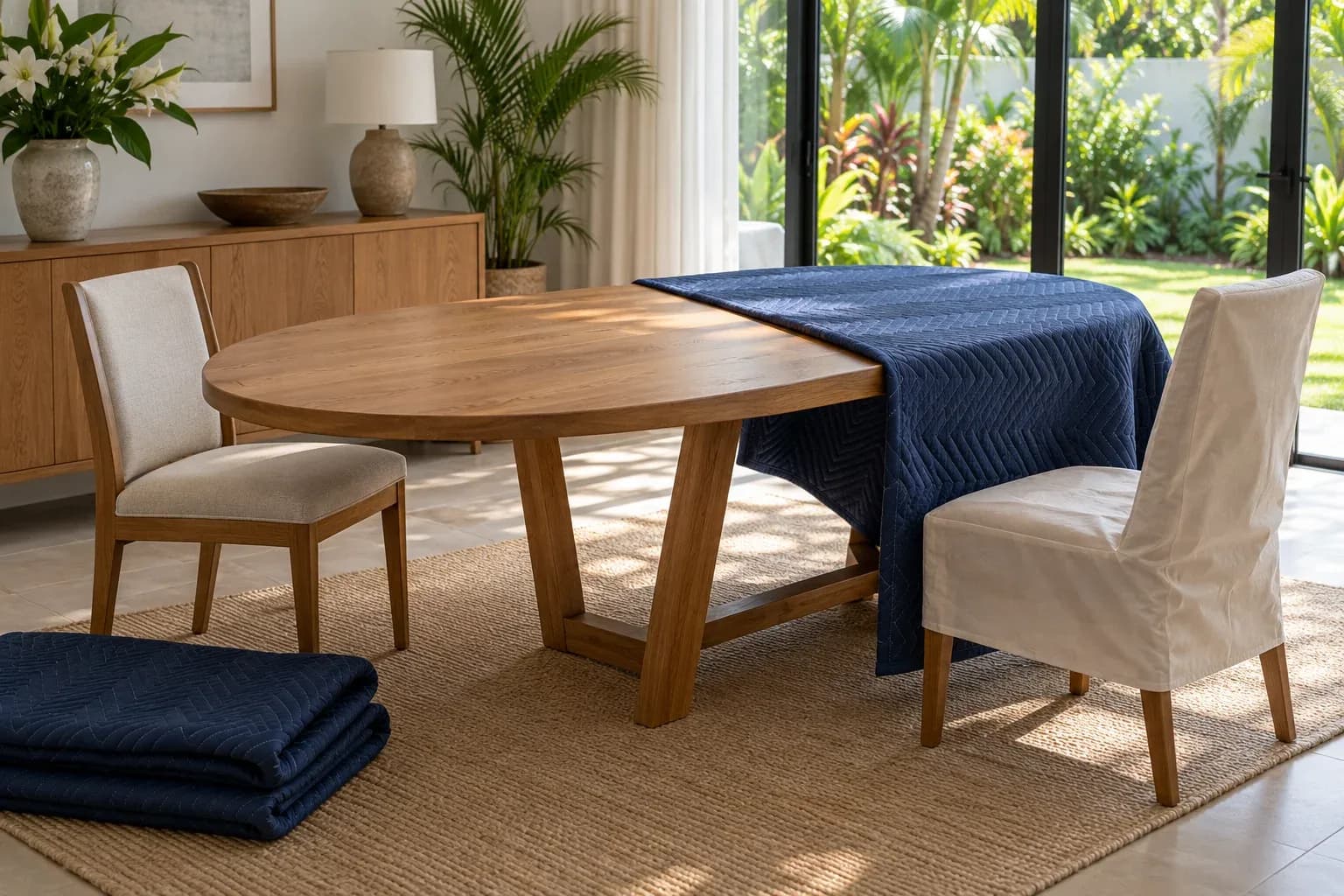
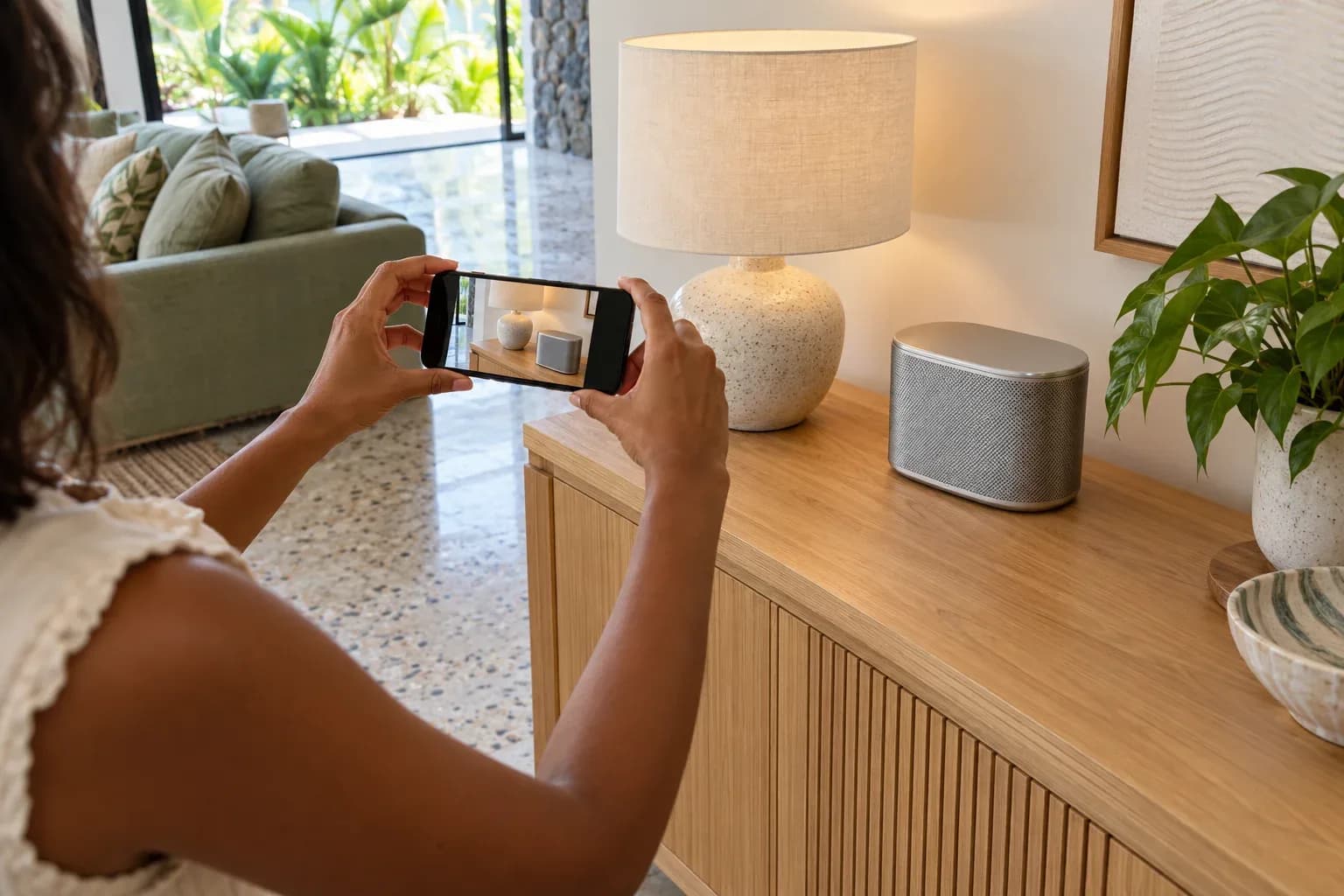
A lamp, a speaker, a sofa: the contents of a home become easier to recognise once you start photographing them. What looked like a single interior becomes a collection of objects to describe, value and perhaps replace. For home insurance in Mauritius, the distinction between the building and what is inside deserves as much attention as the annual premium.
Two similarly priced quotations can leave the owner paying very different amounts after a loss. The difference lies in the property insured, the policy limits and the way a loss is assessed. Insurers’ published documents offer useful examples; the contract proposed for the particular home is still the one that matters.
The building and its contents are different things
MUA’s published household wording distinguishes the building from its contents. Each category has a precise definition: its name alone does not establish what is insured. For an apartment, the existence of a building-wide policy does not, by itself, answer the question of personal furniture.
A contents record can start quite simply, room by room, with photographs, descriptions and any available purchase receipts. It makes the discussion about actual possessions rather than a total estimated from memory. The record belongs somewhere private, with a copy accessible away from the home.
The value to declare needs a separate conversation. The house purchase price or outstanding loan should not automatically become the insurance value. The insurer can explain the valuation basis required for the building and its contents, and how to revisit it when furnishings or equipment change.
The certificate belongs beside the policy wording
An insurance handbook may describe several types of cover without all of them being selected. MUA’s published wording says the relevant sections must be expressly covered by the certificate or special conditions. MCB makes a similar qualification on its home-loan insurance page: published terms remain subject to the individual certificate’s specifications.
That changes how a quotation should be read. The home, its use and the cover actually selected need to match. A year-round home, a place used for occasional stays and a holiday rental each need an accurate description to the insurer, including expected absences and planned work.
An excess and underinsurance are also different things. In the MUA document, the excess leaves the first portion of a loss with the insured; the average clause can leave a proportional share with them when the insured value is insufficient. These are mechanisms in that published wording, not identical rules for every policy.
One way to understand two offers is to ask each insurer to explain the same hypothetical loss, including its limits, excess and calculation.
Water damage is a useful example to put to both insurers: what would each pay in that situation, and what would you still have to meet? Ask separately about personal liability, including which people and situations the proposed cover includes.
After a loss, possessions become evidence too
SICOM’s published home-claims procedure asks for documents such as repair quotations, invoices or a technical report. It advises keeping photographs and damaged items, and waiting for instructions before repairs, except to prevent further loss. Those are that insurer’s instructions. Each household needs to know the procedure under its own policy, without ever delaying personal safety measures to save an object or take a photograph.
A photograph shows an item and its condition, but does not establish that it is covered or how much will be paid. Receipts, descriptions and exchanges with the insurer add to the record. Keeping these documents, the certificate and the claims contact together before anything goes wrong makes them easier to find when needed.