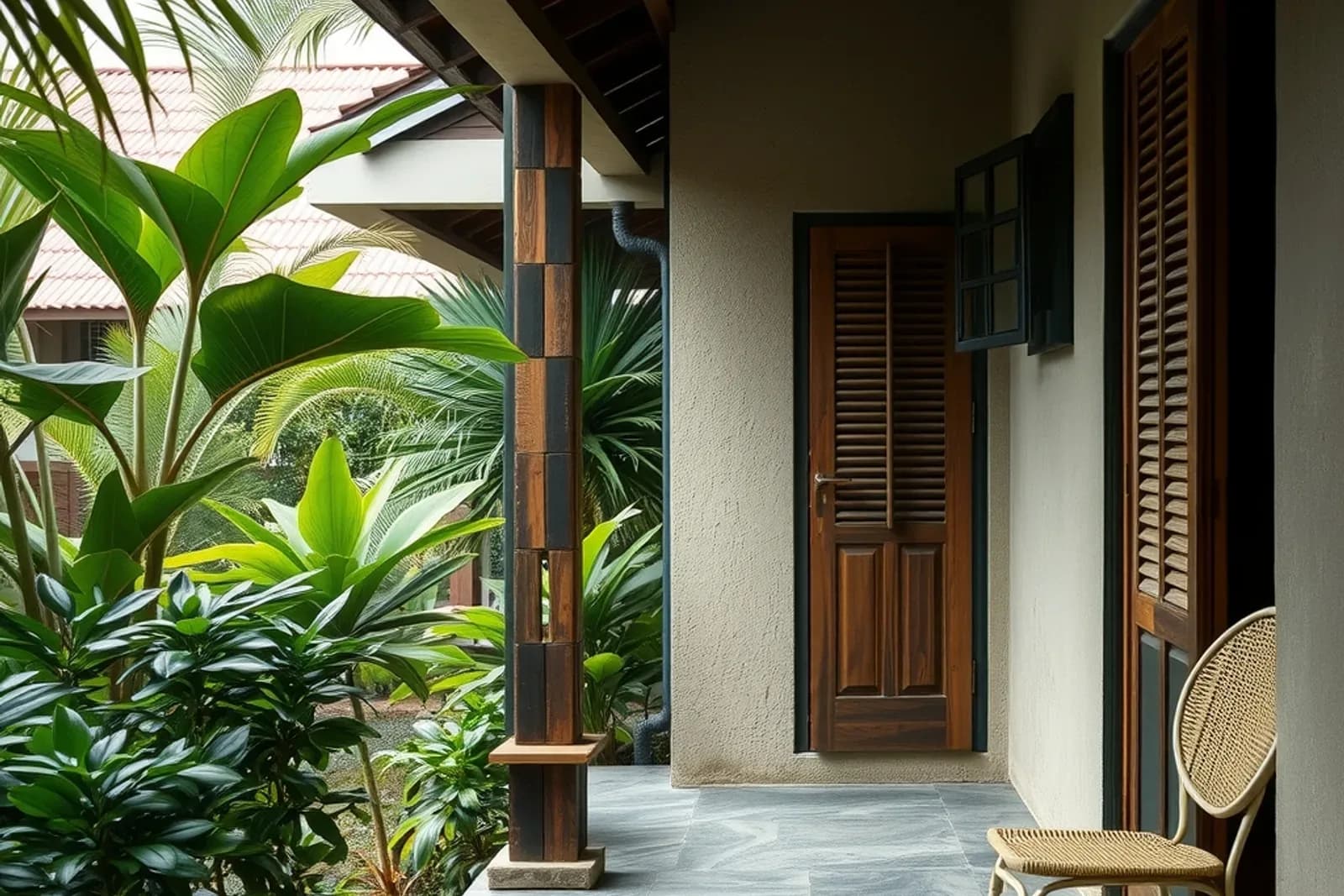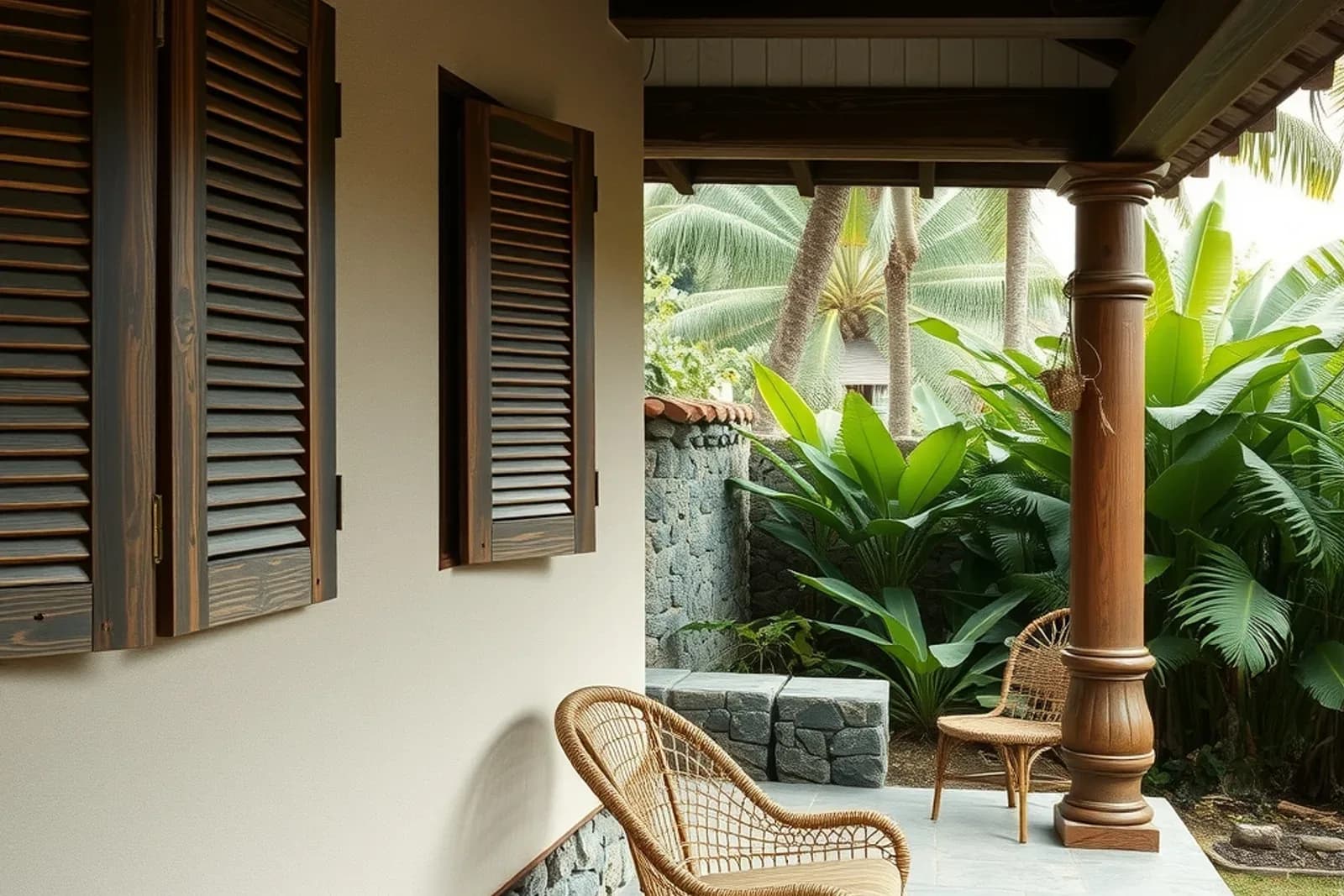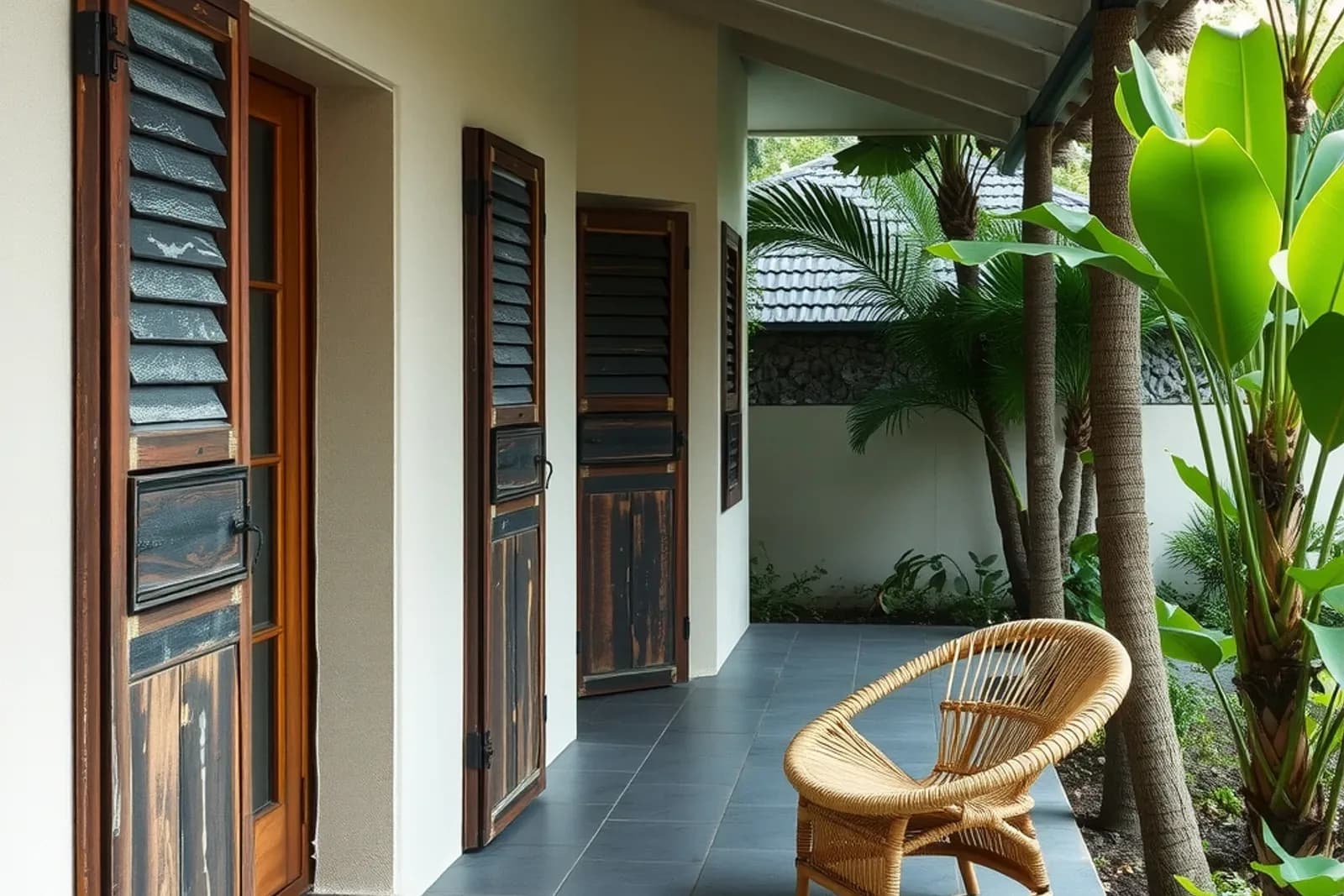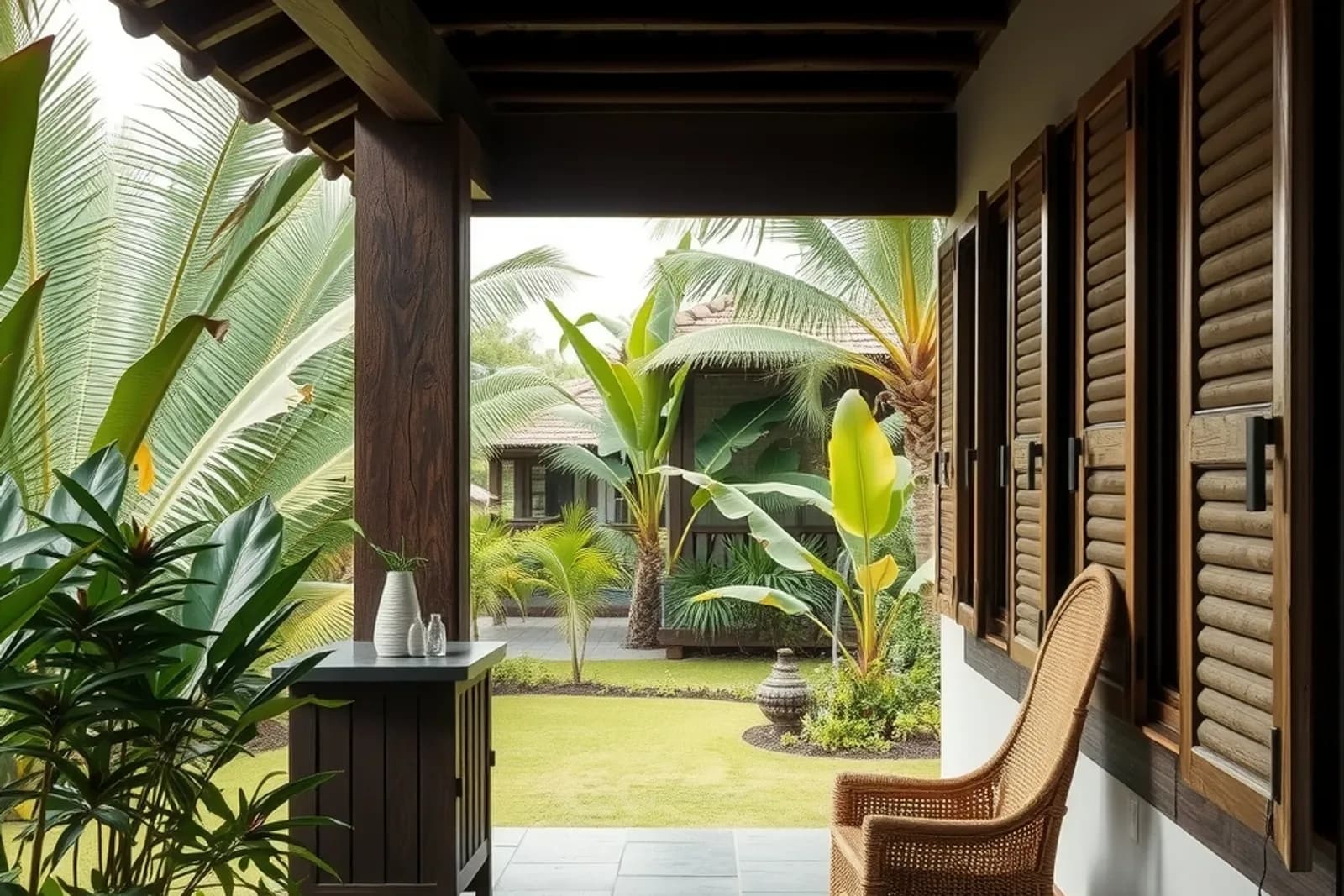

Mauritius’ Smart City Scheme offers mixed‑use developments that combine residential, commercial and leisure facilities under a single, technology‑enabled plan. For UK investors the scheme provides a clear route to own a home, benefit from professional management and, if the investment meets the minimum threshold, apply for a residence permit. This guide explains how to verify that a project is officially approved, what to inspect in the specific unit, and which practical steps are required to secure both the property and the associated residency rights (Economic Development Board, Smart City Scheme).
Confirming an Approved Smart City Project
Start by checking the Economic Development Board’s list of authorised Smart City developers, which includes companies such as Savannah Smart City Ltd, MIC Smart City Ltd and Moka City Ltd. The list is published on the EDB website and confirms that the project has received a Smart City Certificate, a prerequisite for any foreign acquisition (Economic Development Board, Smart City Scheme). Request the developer’s certificate and verify that the project is listed in the latest “Smart City Guidelines” before proceeding.
Understanding the Mixed‑Use Context
Smart City developments are deliberately mixed‑use, integrating clean residential units with commercial offices, retail, research facilities and leisure spaces. The EDB describes these enclaves as “live‑work‑play” environments that aim to minimise waste and maximise comfort for all occupants (Economic Development Board, Smart City Scheme). When reviewing a specific unit, confirm that the surrounding amenities – such as schools, healthcare centres or business parks – are part of the approved master plan, not later‑stage add‑ons that lack regulatory approval.
Practical Checks on Construction, Services and Management
Before signing, obtain the developer’s construction schedule, engineering reports and warranties for core infrastructure (e.g., water, electricity and smart‑grid systems). Verify that the project has secured the required building permits and that any contractors are registered with the Mauritian Construction Board. Ask for the management agreement that outlines who will handle day‑to‑day services, security and common‑area maintenance; reputable Smart City projects typically engage a dedicated management company with a transparent fee structure.
Eligibility for a Residence Permit
Foreign buyers who invest a minimum of USD 375,000 in a residential unit within an approved Smart City Scheme are eligible to apply for a residence permit for themselves and their dependents, provided the property is held under the G+2 (ground + 2 floors) rule (Economic Development Board, Real Estate Scheme). The permit remains valid while the owner retains the property; renewal requires proof of continued ownership, not an automatic process. Applicants must also submit the standard immigration forms and pay the applicable USD 50 application fee introduced in December 2025.
Checklist Before Finalising the Purchase
Use the following checklist to avoid surprises:
- Confirm the project appears on the EDB’s approved Smart City developer list.
- Obtain the Smart City Certificate and the latest master‑plan documentation.
- Review construction warranties, infrastructure guarantees and the management contract.
- Ensure the unit price meets the USD 375,000 threshold for residence eligibility.
- Prepare immigration paperwork, including proof of ownership, and budget for the USD 50 fee.
- Engage a Mauritian notary or qualified legal adviser to verify title deeds and compliance with the Non‑Citizen Property Restriction Act. Following these steps will help UK investors make an informed decision and align their purchase with both property and residency objectives.